Dirty Paper: The Hidden Title Tricks That Could Ruin Your Next Used Car Purchase
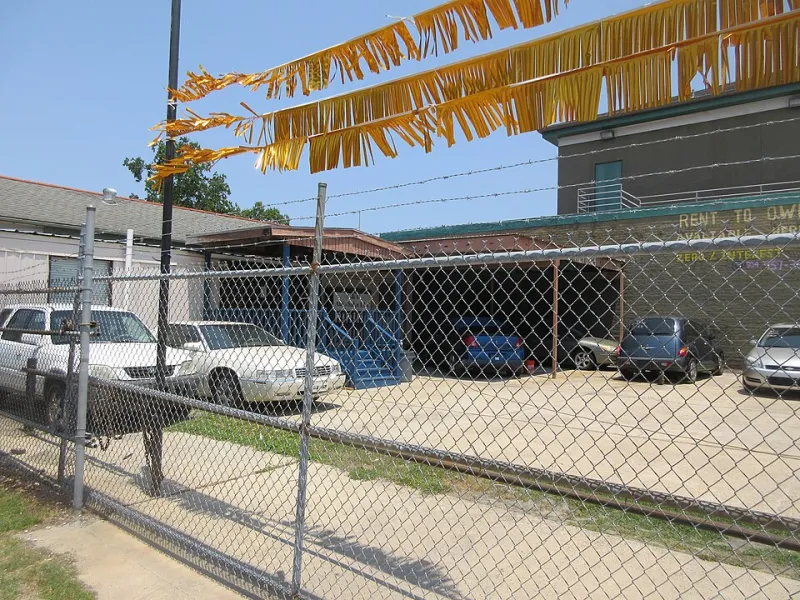
Photo: Infrogmation of New Orleans, CC BY 2.0, via Wikimedia Commons
Let's be straight with you: buying a used car has never been a completely safe sport. But right now, in a market where inventory is still tight and prices are still inflated from the pandemic hangover, the risks are worse than they've been in decades. Desperate buyers are moving fast, skipping steps, and getting burned. And somewhere in that chaos, there are people making very good money selling very bad cars.
This isn't a story about one shady lot on the edge of town. This is about a system — a loose, decentralized network of title tricks, documentation loopholes, and cosmetic cover-ups that funnels damaged vehicles back into the market wearing clean clothes. If you're hunting for a project car, a budget daily, or even a solid used truck, you need to understand how this works before you hand over a single dollar.
What Title Washing Actually Means
The term gets thrown around a lot, but most buyers don't fully understand what it involves. Title washing is the process of moving a vehicle across state lines — sometimes multiple times — to shed a branded title. A car totaled in Texas might get a salvage title there, but if it's registered in a state with looser regulations, that branding can disappear. By the time it shows up on a lot in Ohio or Georgia, the paperwork says nothing about the wreck that nearly cut it in half.
Different states have wildly different standards for what triggers a salvage or rebuilt designation. Some states don't even require disclosure of flood damage below a certain threshold. Exploiting those gaps isn't technically illegal in every case — which is exactly what makes it so difficult to fight.
"The guys doing this know the system better than most DMV employees," says Marcus Delray, a former insurance adjuster who now consults for independent used car buyers in the Southeast. "They're not guessing. They know exactly which states to route a car through to clean up the title, and they know how to time the registrations to avoid flags."
Odometer Fraud Didn't Die With Analog Gauges
A lot of people assume digital odometers killed the old rollback game. They didn't. The tools to reprogram digital clusters are cheap, widely available online, and not particularly difficult to use. What's changed is the scale — it's easier to do quietly now, and harder for the average buyer to detect without professional equipment.
The National Highway Traffic Safety Administration estimates odometer fraud costs American consumers more than a billion dollars annually. The most common targets are high-demand vehicles — late-model trucks, popular SUVs, anything with strong resale value. A pickup with 140,000 miles showing 62,000 is worth significantly more, and the gap between those two numbers is pure profit for whoever's flipping it.
How do you catch it? Start with the service records. Gaps in maintenance history, oil change stickers with higher mileage than the current reading, and wear patterns that don't match the claimed miles are all red flags. Tires, brake pedal rubber, driver's seat bolster wear — these things don't lie the way a cluster can.
The Cosmetic Cover-Up Game
Structural damage is the one that really keeps used car experts up at night. A car that's been in a serious collision — even one that's been professionally repaired — can behave differently in a subsequent crash. Crumple zones don't perform the same way twice. Welds aren't factory welds. And none of that shows up in a Carfax report if the accident was never filed with insurance.
Pay-out-of-pocket repairs are more common than you'd think, especially on older vehicles where the owner wants to avoid a rate hike. That means no insurance claim, no record, and no flag in any database. The car gets fixed — or half-fixed — and eventually sold as clean.
"Fresh paint is the first thing I look for," says Jolene Carver, who runs a pre-purchase inspection service out of Denver and has been doing this for fifteen years. "Not because paint is automatically bad, but because uneven texture, slight color mismatches, or overspray on trim pieces tells you something happened. Then you get under the car and start looking at the frame rails."
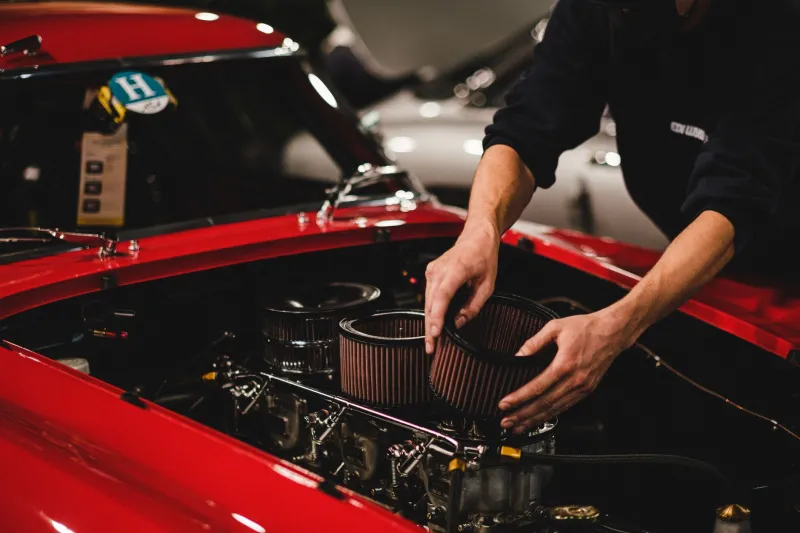
Carver recommends checking the gaps between body panels for consistency, looking at the engine bay for signs of impact or replaced components, and always — always — getting a vehicle up on a lift before buying.
The Tools Every Smart Buyer Should Use
Vehicle history reports are a starting point, not a finish line. Carfax and AutoCheck pull from insurance claims, auction records, and some state DMV data, but they're only as good as the information that gets reported. Use them. Just don't trust them completely.
Here's a practical checklist before you commit to any used purchase:
- Run the VIN through multiple databases. NICB's VINCheck is free and cross-references stolen vehicle and total-loss records. The NHTSA also has a free tool for checking recall history.
- Get a pre-purchase inspection from an independent mechanic. Not the dealer's guy. Your guy, or someone with no financial interest in the sale. Budget $100–$150 for a thorough inspection — it's the cheapest insurance you'll ever buy.
- Check the title in person. Look for signs of alteration, mismatched fonts, or lamination that seems off. Legitimate titles have security features. Fakes and washed titles sometimes don't hold up under close inspection.
- Ask for the original window sticker or build sheet. Dealers won't always have it, but on newer vehicles it can confirm original equipment and sometimes catch VIN discrepancies.
- Cross-reference the mileage. Pull every service record you can find, check CarFax for mileage entries at different points in the vehicle's life, and compare that timeline to what the odometer says today.
What Enthusiasts Are Especially Vulnerable To
Project car hunters face a specific version of this problem. When you're shopping for something cheap and beat up, the bar for "acceptable condition" naturally drops. Sellers know this, and some use it as cover to move cars with problems that go way beyond cosmetic wear.
A frame that's been poorly repaired after a hard hit isn't a project — it's a liability. A flood car that smells fine after an ozone treatment and a deep clean can still have corroded wiring that'll cause electrical gremlins for years. The enthusiast community's tolerance for imperfection is, in some cases, being weaponized against it.
The counter to that is community knowledge. Talk to people who know the platform you're buying. Join forums. Ask what the known flood damage tells on that specific model look like. Find out which years are most commonly targeted by flippers. The collective intelligence of a marque-specific community is genuinely one of the best research tools available.
The Bottom Line
Nobody wants to believe the car they're excited about has a dirty past. That emotional investment is exactly what sellers count on. The deal feels right, the car looks good, the price is where you need it to be — and suddenly the voice in your head saying slow down gets real quiet.
Don't let it. The cars are out there. The good ones, the honest ones, the ones with real history you can verify. They exist. But so does the other kind, and the people moving them are good at what they do.
Do the work. Pull the records. Get it inspected. And if something feels off, walk away. There's always another car.