High Miles, Low Stakes: The Enduring Case for the Cheap Beater Build
Photo: Glyn Baker , CC BY-SA 2.0, via Wikimedia Commons
Ask anyone who has tried to buy a running car for three grand in 2026 and you will hear the same story: the bottom of the market is a minefield. New-car average transaction prices have spent years climbing past the point of reason, used-car loans are stretching to eighty-four months, and insurance quotes can feel like a second car payment. Yet the cheap beater has not disappeared. It has just become more valuable—not as an investment, but as an entry ticket.
The Real Cost of a $3,000 Car
A $3,000 car is rarely a $3,000 car. In 2026, that money buys a 15- to 20-year-old sedan or hatchback with 180,000 miles, a check-engine light that may or may not be serious, and a seller who says 'it runs great' with the confidence of a man who has never owned a compression tester. The smart budget includes a second pile of cash: at least $1,500 to $2,500 for tires, brakes, fluids, a battery, and the first round of surprises. If you cannot turn a wrench, double it.
Insurance is the quiet killer. Liability-only coverage on a beater is usually manageable, but young drivers in many states still face quotes that rival the car's purchase price. That is why the beater economy is as much about legal strategy as mechanical skill: keeping a clean record, choosing a sensible chassis, and resisting the urge to insure a $3,000 car like it is a $30,000 one.
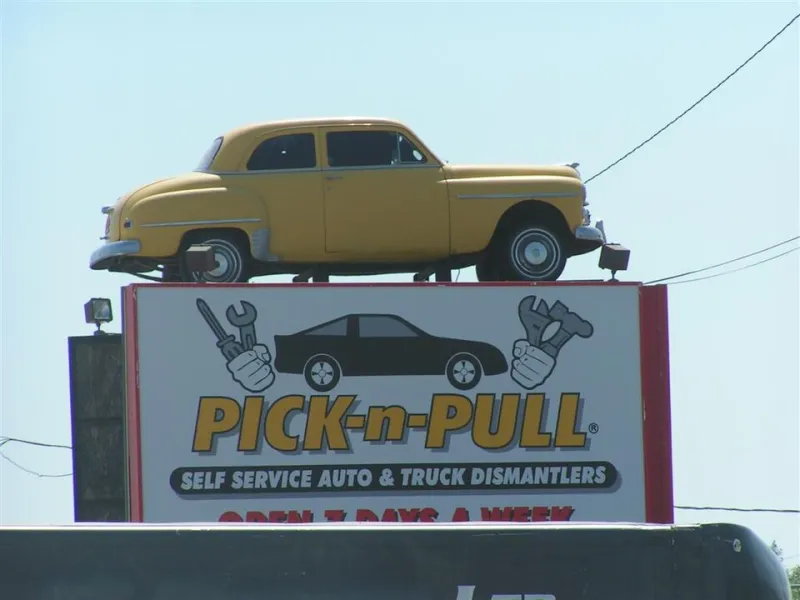
Parts scarcity is the other tax. Junkyard inventories have thinned, and some once-common models are now rare in pick-your-part yards. The counter move is research. Before buying any cheap car, check the aftermarket: are brake rotors available at three local chains? Does the forum have a timing-belt write-up? Is there a Facebook group with a parts hoarder? A beater with a strong parts network is a hobby. A beater with an orphaned drivetrain is a lawn ornament.
Why Cheap Cars Still Matter
Car culture loves to celebrate the $100,000 build, but it survives on the $3,000 one. The beater is where people learn. It is where a teenager discovers that a socket set can fix a window regulator, where a broke college student learns to diagnose a vacuum leak, and where a first-time autocrosser realizes that tires matter more than horsepower.
The beater also keeps risk alive in a good way. When your car is worth less than a set of coilovers, you are more willing to try things: a junkyard intake manifold, a DIY alignment, a track day that might end with a tow bill. That willingness is the engine of grassroots car culture. It is also why the beater economy matters beyond nostalgia. The hobby needs a front door that does not require a credit score.
What a Budget Build Actually Looks Like in 2026
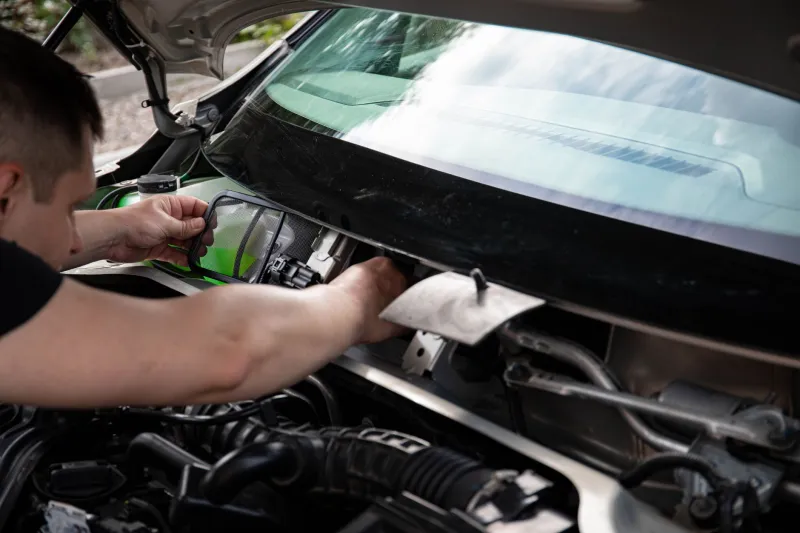
The smart 2026 budget build starts with maintenance, not mods. Tires, brake pads, brake fluid, coolant hoses, a thermostat, and a battery are not glamorous, but they are the difference between a car that makes it to the meet and one that becomes a group chat meme. After that, the order is simple: safety, reliability, then fun. Suspension bushings and shocks can transform a tired chassis. A cat-back exhaust or a cold-air intake may add noise and joy, but they will not fix a blown head gasket.
The parts market has changed. Counterfeit components are a real threat, so buy from known brands and reputable sellers. Cheap coilovers can be a gamble; a quality set of lowering springs on fresh dampers is often the smarter play. Junkyard upgrades—bigger brakes from a higher trim, a rear sway bar from a sport model—deliver real gains for less money. And the at-home tuning scene has made ECU work more accessible, though it also means you should budget for a reputable tuner, not a $50 file from a stranger.
The Flipping Calculus
Beater flipping is not the gold rush that YouTube thumbnails suggest. Margins are thin, repairs take time, and the difference between a profitable flip and a part-out is often one hidden rust hole. But flipping keeps cars in circulation. A builder who buys a neglected sedan, fixes the safety items, and sells it to another enthusiast is doing car culture a service. The key is honesty: disclose the flaws, price fairly, and do not pretend a salvage title is a clean one.
The Case for Imperfect Cars
Not every build needs to be perfect. The beater economy is a reminder that car culture is not a showroom. It is a driveway, a borrowed garage, a parts-store parking lot, and a group of people who would rather talk about a $200 junkyard find than a six-figure resto-mod. In 2026, the cheap car is harder to find and more expensive to keep, but it still carries thousands of enthusiasts into the hobby. That is worth protecting—and worth wrenching on.