The Sidewalk Standoff: Surviving the Social Contract of Street-Parked Project Cars
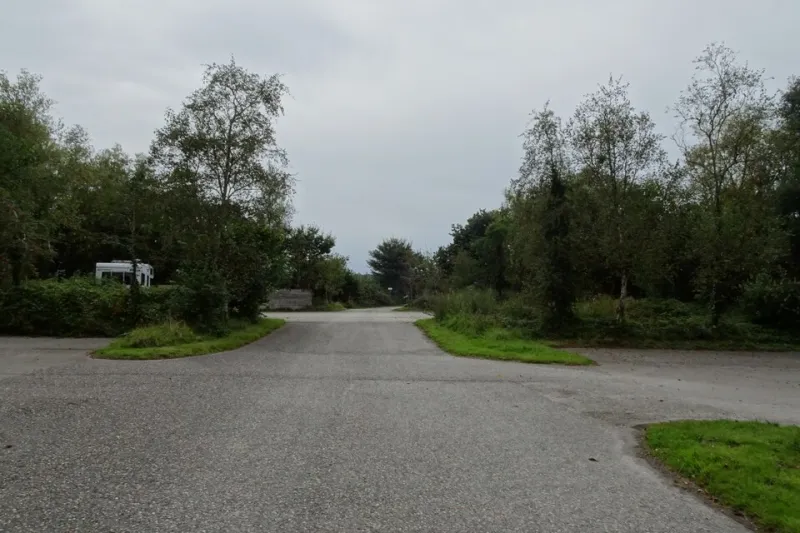
Photo: DS Pugh , CC BY-SA 2.0, via Wikimedia Commons
Your project car is not just a project car. It is a piece of public furniture. It sits on a public street, in a shared driveway, or in a parking spot that your neighbor has decided is rightfully theirs because they have lived there since 1987. Street-parking a project is a social contract, and most of us never read the terms.
The Curb Is Not Your Garage
The first rule is simple: the curb is not your garage. You may have paid for the car, the tools, and the oil pan, but the street belongs to everyone—including the person who wants to park their perfectly normal Camry in front of their own house. The moment your project becomes a permanent fixture, you have turned a public resource into a private workshop. That is where the friction starts.
The Four Neighbor Types
Every block has a cast of characters. The Sympathizer has a brother with a Fox Body and will ask you questions about carburetors. The Silent Sufferer never says anything but photographs your oil stain for the HOA. The Rulebook Ranger knows the municipal code better than the code enforcement officer and will cite it. And the Opportunist will ask you to jump-start their car at 7 a.m. on a Sunday because they saw your jumper cables. Knowing which one you are dealing with determines your strategy.
Covers, Oil Pans, and Other Peace Treaties
A car cover is not just protection from the sun. It is a visual signal that you are trying. A clean drip tray under the engine is a courtesy that says you know the difference between a project and a hazard. Park close to the curb. Do not block driveways, mailboxes, or fire hydrants. Move the car for street sweeping even if it means circling the block for twenty minutes. These small acts buy goodwill, and goodwill is the currency you need when the code enforcement officer shows up.
When the HOA and Code Enforcement Come Knocking
If you live under an HOA, read the rules before you buy the car. Some covenants ban 'unregistered vehicles,' 'vehicles on jack stands,' or 'commercial-looking' cars. Others are vague enough that a neighbor's complaint can trigger a violation. If you rent, your lease may have a clause about non-operational vehicles. Know the rules, and if they are unreasonable, consider whether the fight is worth it. Sometimes the best move is a storage unit or a friend's driveway.
The Tow-Away Clock
Cities usually have ordinances about how long a car can sit without moving. A car with expired tags is an easy target. Even a registered car can be towed if it is deemed abandoned. The fix is to move it regularly, keep the registration current, and document your use. If you are doing a long-term build, talk to your neighbors before the tow truck shows up. A quick conversation can prevent a $300 impound fee.
Practical Peacekeeping
The best advice is boring: be considerate, be visible, and be responsive. Introduce yourself to the neighbors. Tell them what you are doing and how long it will take. Give them your phone number. If you are going to make noise, do it at reasonable hours. If you are going to spill something, clean it up. If your car is going to sit, cover it. These gestures do not guarantee peace, but they make you a neighbor instead of a nuisance.
The Bottom Line
Street-parking a project car is a negotiation. You are asking for space, tolerance, and a little patience. In return, you owe the neighborhood cleanliness, quiet, and honesty. The car culture we love does not exist in a vacuum. It exists on blocks with other people. Act like it.