Seven Characters of Separation: Inside the Weird Status Economy of Vanity Plates
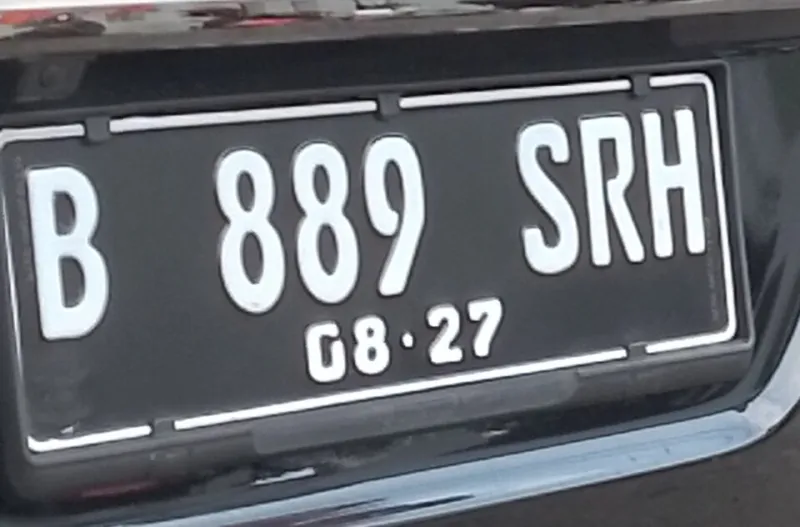
Photo: RasyaAbhirama13, CC BY-SA 3.0, via Wikimedia Commons
Vanity plates are the cheapest way to make a car yours without touching a wrench. They are also a bureaucratic obstacle course, a status symbol, and a running inside joke. In 2026, the custom plate remains one of the strangest corners of American car culture—part personal billboard, part DMV puzzle, part seven-character conversation starter.
The DMV Is the First Gatekeeper
Every state has its own rules, and they are not designed to make sense. Some states allow seven characters; others allow six or eight. Some prohibit punctuation; others permit ampersands or hearts. Some let you order online and wait six weeks; others require a trip to a branch where you will take a number and question your life choices. The result is a patchwork of approval quirks that can make a perfectly innocent combination illegal in one state and totally fine in the next.
Banned Combinations and the First Amendment
The rejection list is where the fun begins. DMVs screen for profanity, slurs, gang references, and anything that could be considered offensive or confusing. Some states are aggressive; others are surprisingly permissive. You can find online forums dedicated to rejected plate ideas, complete with stories of people who tried to slip one past the reviewer. The general rule: if you have to explain the joke to a DMV clerk, it is probably not going to happen. And if it is genuinely offensive, it should not happen.
The Waitlist Economy
Desirable plates have a waitlist. Low-numbered plates, family names, car-model abbreviations, and clever phrases can take years to become available. In some states, you can transfer a plate to a family member or sell it with the car. That has created a quiet resale market: collectors who buy a car just to get the plate, or enthusiasts who pay a premium for a tag that says something like 'E30' or '2JZ.' The DMV does not endorse this economy, but it exists.
The Stories Behind the Tags
A plate is a tiny autobiography. In California, a tag like 'LOL MPG' might take months to clear; in Texas, 'TEXAS' is obviously long gone. In Florida, 'SUNSHINE' is a flex. In New York, 'PIZZA' might be available if you are lucky and patient. At a Cars and Coffee, a good plate is an icebreaker. At a stoplight, it is a fleeting joke. On a project car, it is often the only thing that works perfectly.
How to Play the Game
Start by checking availability online before you fall in love with an idea. Order early if you want a birthday or holiday reveal. Renew on time—an expired vanity plate is just an expensive piece of metal. And do not assume a rejected idea is dead forever; rules change, clerks retire, and sometimes the eleventh attempt is the one that works. The best vanity plates are the ones that make you look twice. A beater with 'SLOW' on the back is funnier than a supercar with the same tag. A station wagon with 'DADWGN' is a lifestyle statement. A track car with 'APEX' is a promise and a warning.
The Future of the Plate
Digital plates and electric-vehicle-specific tags are changing the landscape, but the vanity plate is not going away. It is too cheap, too personal, and too much fun. In 2026, the seven-character message is still a status game, a DMV obstacle course, and a small act of self-expression. Whether you are running 'Y2K' on a 1999 Civic or 'MPG LOL' on a lifted truck, you are part of a long, weird tradition. And if the DMV rejects your first ten ideas, take comfort: the eleventh might be the one that makes someone smile in traffic.